

Smarter Optimization in Financial Services: 7 Takeaways from Financial Brand Forum
At this year’s Financial Brand Forum in Las Vegas, a city built on odds, bets, and a little bit of luck, Claritas brought together marketing leaders from Regions Bank, Suncoast Credit Union, and VyStar Credit Union to answer a very different kind of question:
What does “smarter optimization” actually look like when you take luck out of the equation?
We’ve distilled the session into seven takeaways, not just because seven happens to be a lucky number in Vegas, but because these insights reflect something far more reliable than chance. They’re grounded in real campaigns, real data, and real lessons learned from what’s working (and what isn’t) inside financial institutions today.
Moderated by Claritas’ SVP of AI Optimization, Don Sklenka, our panel discussion moved beyond theory, focusing on practical strategies that any financial marketer can apply. Because in today’s environment, better results don’t come from luck. They come from smarter decisions. Here are seven of them.
Differentiation is shifting from products to experiences
Financial institutions continue to offer largely similar products. The differentiation is happening in how those products are experienced.
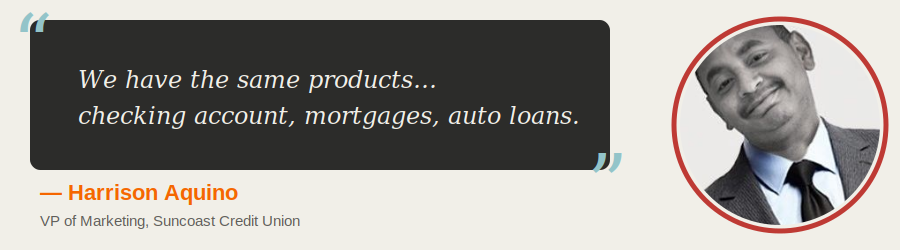
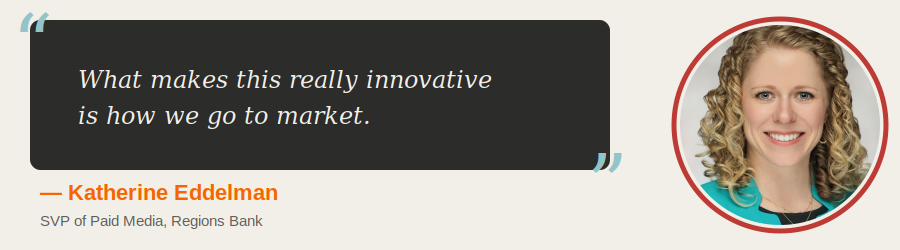
Suncoast Credit Union is building value through partnerships (museums, zoos, sports teams), while Regions Bank is blending digital and physical touchpoints through sponsorship activations.
What YOU can do next:
- Audit your top products and identify where differentiation relies too heavily on rates or features
- Layer in experiential value like local partnerships, events, and perks tied to accounts
- Align digital campaigns with real-world touchpoints to create continuity across channels
AI is accelerating execution, but strategy remains human
AI is improving speed and scale, but, contrary to popular belief, it is NOT replacing marketers.
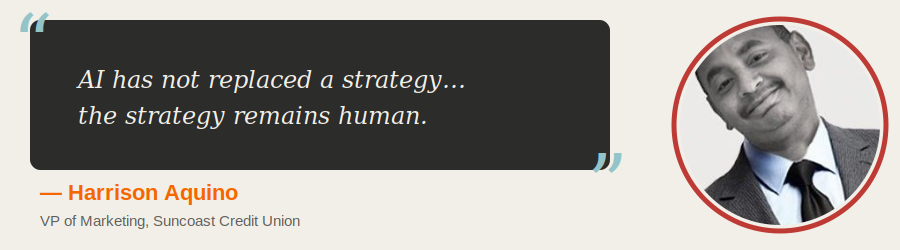
Teams are using AI to generate variations, speed up production, and enhance ideation but the strategic direction still comes from people.
Your next steps:
- Use AI to accelerate creative versions, copy, and testing, but do not rely on it to define positioning
- Train teams on where AI adds value vs. where human judgment is required
- Reallocate time saved from execution into strategy, audience understanding, and planning
The industry is moving beyond A/B testing to true personalization
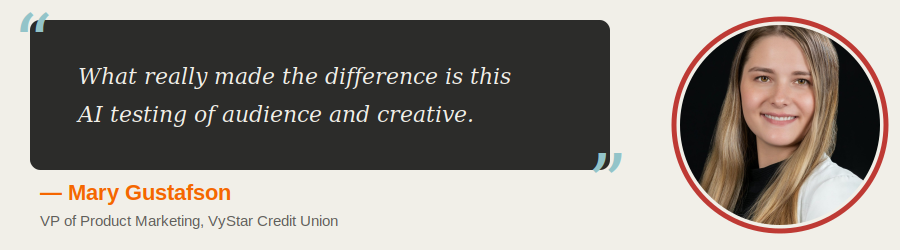
Testing is no longer limited to two versions. It’s expanding to many. Piggybacking off a comment from Mary Gustafson at Vystar Credit Union…
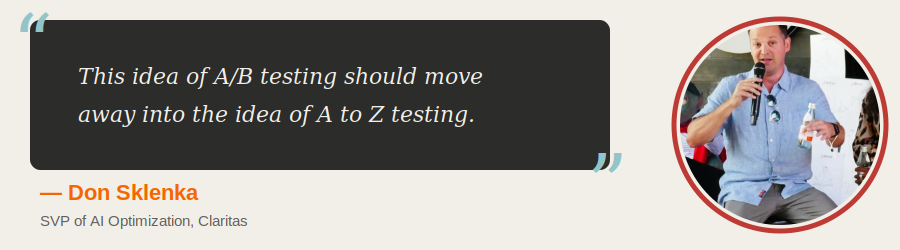
VyStar Credit Union used AI to test multiple creative elements simultaneously and identify what worked for specific audiences. You can find a case study going into more detail, here.
How to incorporate this idea into your strategy:
- Leverage AI to move from single-variable A/B tests to multi-variable testing (headline, image, CTA, offer).
- Start small with pilot campaigns that included expanded variations instead of a full-scale rollout, especially if this approach is new to you.
- Build internal processes to quickly act on test results, whether that’s updating media or scaling winners, etc.
Better inputs, not just better tools, drive better outcomes
It’s extremely important to remember that AI performance depends on data quality and connectivity.
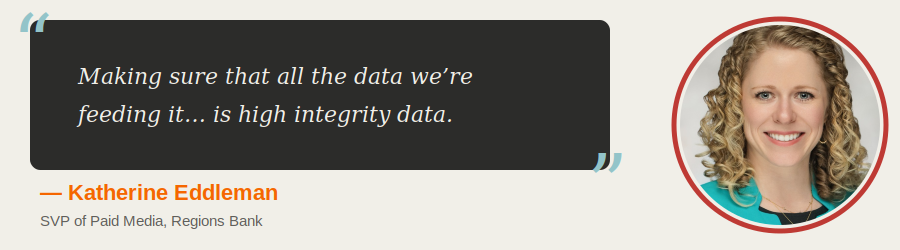
Disconnected or low-quality data limits what AI can deliver. Ever heard of the saying, “garbage in, garbage out”? It 100% applies here.
Take this and run with it:
- Map your current data sources (behavioral, transactional, campaign) and identify gaps
- Prioritize connecting key systems rather than trying to centralize everything at once
- Establish data governance standards to ensure consistency and usability
Measurement is improving but attribution is still unresolved for many marketers
Multichannel marketing can make attribution difficult to pin down if you don’t have the right tools or partners in place. When speaking about other marketers in the industry, Suncoast summed up what can be their typical line of thought with the statement…
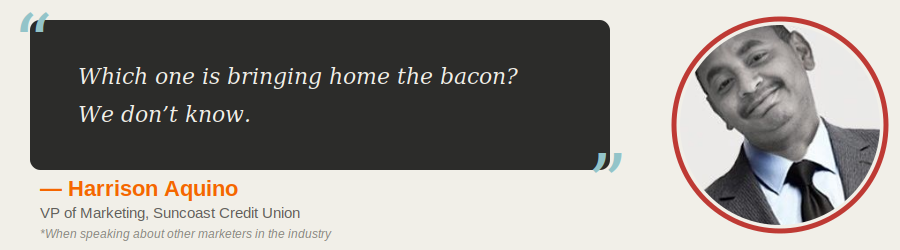
The reality is that multiple touchpoints contribute to conversion and perfect attribution isn’t always possible.
What to do next:
- Shift from “which channel gets credit” to “which channels influence outcomes”
- Use multi-touch or influence-based models instead of relying solely on last-click/touch
- Align stakeholders on realistic expectations for attribution and measurement
The biggest barriers to innovation are internal
The challenge isn’t just adopting new tools, it’s getting them implemented. Compliance, cybersecurity, and internal alignment often slow progress more than technology limitations.
What to do next:
- Involve compliance and risk teams early in testing new tools or approaches
- Pre-approve creative frameworks and guardrails to streamline future approvals
- Build internal education programs to increase comfort with AI and new technologies
The future will be defined by speed of learning, not just execution
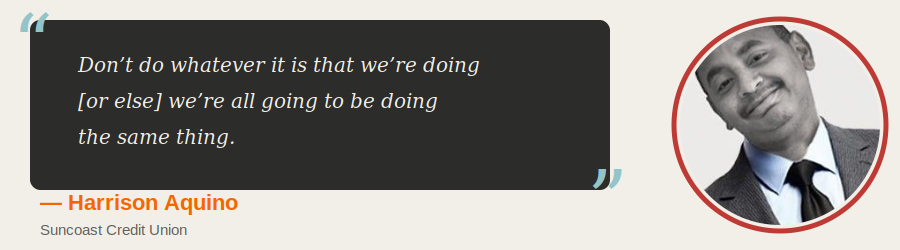
The advantage is no longer just speed to market, it’s speed to insight.
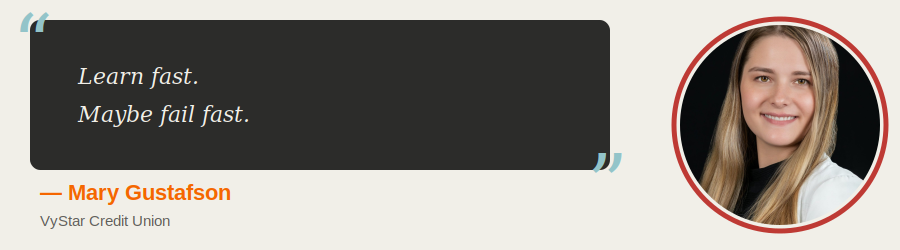
Panelists emphasized faster testing cycles, quicker iteration, and learning from outside the industry.
What to do next:
- Shorten campaign cycles to allow for faster testing and iteration
- Treat campaigns as experiments with defined learning objectives
- Look beyond financial services for inspiration (streaming, retail, subscription models)
Final Thought
The panel made one thing clear:
Smarter optimization isn’t about adopting more tools. It’s about using them more effectively.
Financial institutions that win will be those that:
- Connect their data
- Scale intelligently with AI
- Move faster from insight to action
- And stay focused on the human behind every interaction
That’s where meaningful differentiation and measurable growth will come from.
Watch the recorded panel our experts shared these insights on, here.
Need help finding your next customer?
Questions
Please contact the Claritas Sales Team at866-ROI-TEAM (866-764-8326)
Current Clients
Please contact the Solution Center at855-400-ASST (855-400-2778) for immediate assistance